Last Updated: November 8, 2026
Quick Summary
Bathtub resurfacing applies a new coating over your existing tub, while full tub replacement removes the old tub and installs a factory-manufactured unit. The right choice comes down to the tub’s condition, not its age: surface wear, scratches, or stains make a tub a strong candidate for bathtub resurfacing, but structural damage, soft spots, or rust around the drain do not.
- Resurfacing wins on cost, speed, and disruption; replacement wins on lifespan and long-term maintenance.
- The new finish is a coating, not the original factory surface, and its lifespan depends on prep quality.
- Full replacement lets you fix plumbing or layout issues while the tub is out.
- Abrasive cleaners and scrubbing pads shorten the lifespan of a resurfaced tub.
- On a sound tub, resurfacing is a legitimate restoration, not a band-aid.
Table of Contents
- Bathtub Resurfacing vs Full Tub Replacement: The Core Decision
- Bathtub Resurfacing vs Full Tub Replacement Cost
- Bathtub Resurfacing vs Full Tub Replacement Pros and Cons
- Frequently Asked Questions
Bathtub Resurfacing vs Full Tub Replacement: The Core Decision
Bathtub resurfacing applies a new coating over an existing bathtub; full tub replacement removes the old tub and installs a factory-manufactured unit. The right choice comes down to the tub’s condition, not its age. The answer is rarely as simple as the price tag suggests.
Resurfacing treats what you already have; replacement removes it and starts over. As Joyce Factory Direct explains in its reglazing guide notes, reglazing adds a coating over the existing bathtub rather than installing a new one.
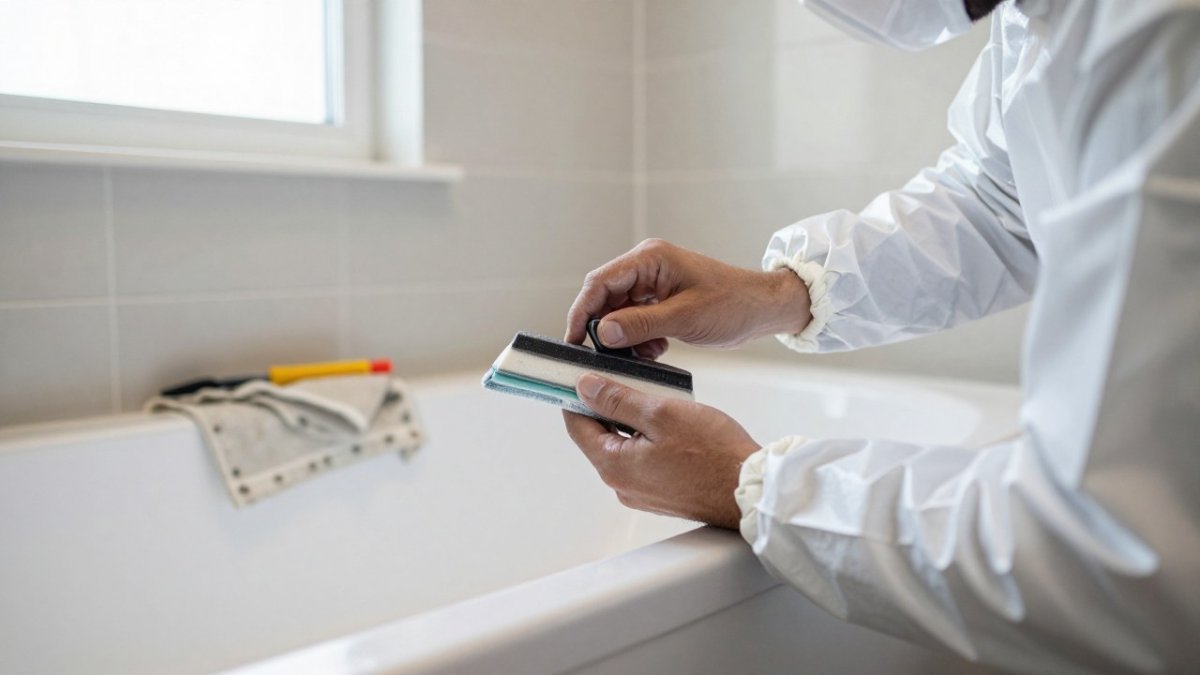
Condition decides more than cost: surface wear, scratches, or stains make a tub a strong candidate for bathtub refinishing; structural damage, soft spots, or rust around the drain do not.
If you are leaning toward restoring what you have, you can see the resurfacing service and what it includes. And if you would rather talk through your specific tub before deciding, you can contact the team to schedule an appointment.
Bathtub Resurfacing vs Full Tub Replacement Cost
Bathtub resurfacing costs less upfront than full tub replacement, but the gap narrows once you count the work around a new tub. Professional bathtub reglazing typically covers labor and materials for coating the existing tub, while replacement involves the tub itself, removal and disposal, plumbing adjustments, and often tile and surround work.
Published estimates vary widely by source and region. Bath Works’ refinishing cost comparison separates DIY kit costs from professional service costs, while Artistic Refinishing’s resurfacing overview notes that the tub’s condition affects the resurfacing price. Treat any published range as a starting point, not a quote.
| Cost Line | Resurfacing | Full Replacement |
|---|---|---|
| Tub or coating materials | Included in service | New tub purchase |
| Labor | Surface prep and application | Removal, install, plumbing |
| Timeline | Short | Multi-day project |
We do not publish flat prices because two tubs in the same building can need different prep. For a number that fits your tub, request an estimate.
Bathtub Resurfacing vs Full Tub Replacement Pros and Cons
Resurfacing wins on cost, speed, and disruption. Replacement wins on lifespan and long-term maintenance.
Bathtub resurfacing pros: lower upfront cost; keeps the existing footprint, so no tile or layout changes; faster with less disruption; restores appearance and covers surface wear, scratches, and stains.
Bathtub resurfacing cons:
- The new finish is a coating, not the original factory surface
- Lifespan depends on prep quality and how the tub is cleaned afterward
- Not suitable for structural damage, deep cracks, or rust at the drain
- A temporary solution if the underlying tub is failing
Full tub replacement pros:
- A factory-manufactured tub brings a fresh, durable surface
- Longer lifespan with less maintenance, as Simplify Bath’s refinishing comparison points out
- The chance to fix plumbing or layout issues while the tub is out
- No re-coating cycle later
Full tub replacement cons: higher total project cost once tile and surround work is included; longer timeline and more disruption; removal and disposal add labor.
On methods, prep and product chemistry matter more than the label on the can. A guide to the best tub resurfacing methods covers how the approaches differ, and the project gallery shows completed bathrooms.
How long does bathtub resurfacing last?
Lifespan depends on prep quality, ventilation during curing, and what you clean it with. Abrasive cleaners and scrubbing pads shorten it.
Is resurfacing a temporary solution?
It can be, if the tub underneath is failing. On a sound tub, resurfacing is a legitimate restoration, not a band-aid.
The real decision is whether your tub is sound enough to restore. Johnny Stone Work provides bathtub resurfacing alongside marble, granite, and slate restoration, backed by free estimates and 163 happy customers. We assess the tub first and tell you plainly if replacement is the better call.
Frequently Asked Questions
Is it cheaper to resurface or replace a bathtub?
Resurfacing is almost always cheaper upfront. Pricing depends on the tub’s condition, the work involved, and any tile or plumbing changes. Contact Johnny Stone Work or visit our website for current prices or a free estimate. Resurfacing also avoids the disruption of demolition.
How long does bathtub resurfacing last?
Longevity depends on the coating system, how the tub is used, and the cleaning products you choose. Abrasive cleaners and heavy impacts can shorten it. Ask your contractor which products they use and what maintenance they recommend to get the most years from the new finish.
When should you replace a bathtub instead of resurfacing it?
Replacement makes more sense when the tub has structural damage, such as deep cracks, flexing, rust holes around the drain, or a failing subfloor. It is also the better choice if you want a different size, layout, or material for accessibility or resale value. If the existing tub is solid and the problems are cosmetic, resurfacing usually restores the appearance for far less.